

What Is Planar Magnetic Headphones?
Unlike dynamic headphones, planar magnetic headphones have a uniform electromagnetic force distribution and have low distortion. They also have a fast transient response, which improves precision and detail.
These headphones are more expensive and require a headphone amplifier to work at its best. For those with budget-conscious tastes, they have the opportunity to experience the high-end sound with the HIFIMAN Sundara or Monoprice M1060.
Contrary to dynamic drivers
Planar magnetic headphones, in contrast to dynamic drivers, have flat diaphragms that move directly in response the audio signal. This allows them to create an extremely natural sound. They also have a larger soundstage than other types of headphone. They don't concentrate the sound waves in a single spot. However this technology isn't yet widely used in headphones with a low price. This is why many potential buyers are confused about the sound differences between these headphones and their dynamic counterparts.
In order to function the planar magnetic headphones, they use magnet-loaded conductive materials (usually mylar) to create vibration. This technology is similar to electrostatic headphones, but differs in that it utilizes the diaphragm to create vibrations, not a coil or voicecoil. Dynamic drivers have metal conductors which act as middlemen which move the diaphragm in the form of a piston to produce sound. This is a good thing, but the moving parts can wear out or even become separated from diaphragms, leading to distortion.
The diaphragm is a flat piece made of electrically charged materials that sits between two plates. When an audio signal is played, the magnetic field applied to the diaphragm pulls it towards the plates that are positive and negative. The magnetic force pushes the diaphragm inward and outward. This causes airwaves to be compressed and then decompressed. This creates the vibration that creates sound.
While dynamic drivers can still be found in a few headphones, the top headphones usually have planar magnetic technology. This type of driver can produce higher frequencies more efficiently while still delivering a great bass response. Planar headphones are thus preferred by audiophiles, musicians and professionals.
They can be more costly than dynamic headphones. Some audio brands are specialized in headphones with planar magnetic technology. These can be a great choice for those who have discerning ears. It is recommended to look up reviews prior to purchasing these headphones. Before you make a decision, you should consider the opinions of audiophiles who are posted on forums like r/headphones or Head-Fi.
Unlike electrostatic drivers
If you're a fan of music who appreciates image structure, clarity, and distinction, you might want to consider upgrading to a pair of planar magnetic headphones. They're great for critical listening and reproduce music in a much more natural and precise way than dynamic drivers. They also have a very high-quality sound and can reproduce bass without distortion. However, they might be somewhat more expensive than their dynamic driver counterparts.
The unique design of planar magnetic headphones is based on a thin diaphragm that's stretched out of the enclosure and is agitated by a magnetic field. The magnetic field is created by overlapping magnets that cross the diaphragm. This can produce a force up to 10x stronger than air vibrations from the driver of a dynamic headphone. This makes them a great choice for mixing audio and mastering.
They provide an incredible level of clarity and detail with a large and expansive soundstage. Additionally, they're capable of handling complex and dynamic musical tracks with ease. Planar magnetic headphones, unlike other models, have a quick transient response. This means they can react quickly to changes in audio signals. This is especially beneficial for musicians who are using headphones for live performance.
Open-back models are becoming more popular, even though they are not as common as over-ear models. These headphones are comfortable and let listeners to be aware of their surroundings. The open-back design also allows them to provide a larger soundstages, which allows for superior acoustic performance.
Additionally the planar magnetic headphones are well-known for their deep and rich bass performance. They can easily manage bass notes and rumbles and still provide a full range of sounds and textures. The large diaphragm of these speakers and their ability to be tuned offers a more nuanced listening experience.
The top planar headphones will deliver exceptional sound quality for an affordable price. For instance the Monoprice M1060 in-ear headphones are a great choice for audiophiles who want to experience the sound of the sound of planar headphones without spending a fortune. These headphones have a sleek, stealthy design and are constructed of high-end materials.
Open-back headphones aren't the same as closed-back headphones
Planar magnetic headphones are a popular choice among audiophiles who want to get the most of their music. They produce great detail, with the soundstage being wide and deep. They're not for all people. Some prefer dynamic drivers because of their slam and punch. Others prefer the clarity of headphones with an open back.
Unlike conventional dynamic headphone drivers, planar headphones use an elongated diaphragm, which is suspended between two magnets. This increases the surface area of the diaphragm as well as reducing distortion when playing at high volume. However, this can also result in a less focused sound. The headphones that are designed for planar use are capable of delivering superior sound quality, and can be used to mix and record music by professionals.
Planar headphones also have a better bass response than dynamic drivers. They usually go down to 20Hz, whereas dynamic headphones tend to fade off below this frequency. This makes them more suitable for those who love bass. But, despite this, many open-back planar headphones don't have the same impact and slam as dynamic headphones.
visit the up coming webpage of planar headphones should be comfortable and provide a solid sound quality for long listening sessions. This is particularly important for those who spend a lot of time editing or mixing their favourite songs. They must also be light and have a streamlined design, ensuring they are a perfect fit to the head of the user. They should not also cause any harm to existing hearing or balance issues.
Many top audio brands offer various planar headphones designed to be sturdy and stylish. They are typically constructed from premium materials and feature distinct aesthetics, like the egg-shaped windowshades of HiFiMAN Sundara or the elegant rings of Audeze LCD-4z.
Although planar headphones are generally more expensive than their dynamic counterparts, they offer superior audio quality and a wide, open soundstage that is perfect for music listening. These headphones are great for movie buffs and gamers. However, they should not be compared with over-ear headphones that are priced similarly, as these headphones tend to be more geared towards mid and high frequencies and can result in the sound being muffled.
Unlike closed-back headphones
While the majority of headphones employ dynamic drivers, some audiophiles prefer to use planar magnetic headphones. They have drivers that rotate a thin, light foil sheet, known as the diaphragm, to create sound. They also produce an energizing soundstage as opposed to closed-back models that are designed to isolate the listener from their surroundings. They are a great choice to listen to your favorite music at your home or on the go.
Planar magnetic headphones need external amplifiers to maximize their performance. Planar magnetic headphones like the HIFIMAN Sundara or Audeze LCD-4 are known for their bass-heavy sound. But they aren't the only ones to offer excellent bass performance. Certain brands, such as boutique audio brands, make use of Beryllium as well as innovative designs to achieve superior bass performance.
Many of these headphones have a wide, open soundstage. This creates a sense of space and airiness that is not present in closed-back headphones. This is most noticeable when listening to recordings made of acoustics. The planar driver's wider wavefront is the reason for the heightened imaging. This is a characteristic of all planar magnetic headphones but is especially evident in open-back models.
Some designs of planar magnetic headphone such as the HIFIMAN Monolith M1070 and HIFIMAN Anaanda are as ingenuous as they are stunning. These headphones have a unique window shade that is in the shape of an egg. They are constructed from exotic woods and composites. They're both practical and attractive.
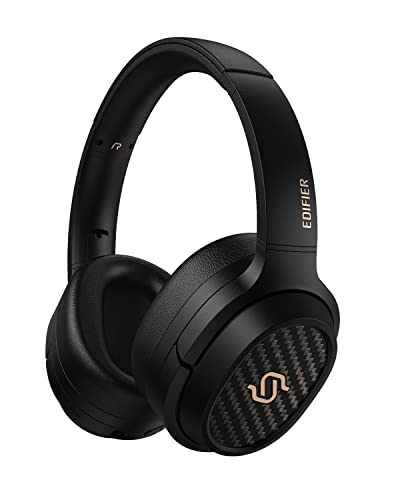
If you're an audiophile and want to invest a little money, planar magnetic headphones can offer a truly unique listening experience. These headphones are usually more expensive than their more powerful counterparts. However, they provide a fresh perspective to your music. If you are on a budget, a pair high-quality open-back planar magnetic headphones from an audiophile brand that is reputable could be the best option.